Stories & Remembrance — ASEQ-EHAQ

Stories & Remembrance

The voices of people who live with Multiple Chemical Sensitivity (MCS), and a place to honour those we remember.

In their words

Member testimonies

Members share their experiences of living with MCS, and of finding support.

Muriel Létourneau

Muriel Létourneau

Living with MCS

"I started reacting to perfumes, and it took a long time to understand what I was living with. I found ASEQ-EHAQ online, and they were there for me — especially when I lost my job because of this condition. With their help I obtained a disability pension and avoided losing everything. The Association helped me understand what was happening, and that helped me emerge from a very difficult time of isolation.

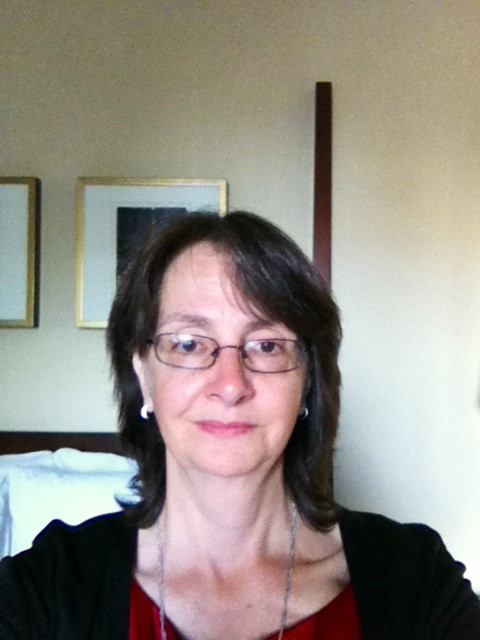
Manon Gagnon

Manon Gagnon

Victoriaville

"ASEQ was a great help after my diagnosis. The advice and support I received allowed me to return to my job with accommodations in the workplace. Without their help, this would not have been possible. I am extremely grateful to the Association.

Sylvie Hachée

Sylvie Hachée

Laurentians

"MCS changed my social life. I have to refuse invitations and avoid non-essential trips, or I pay for it the following days. It can feel like a life of avoidance and isolation.

ASEQ-EHAQ has helped me by:

  • Referring a doctor
  • Organizing information workshops
  • Always being available to help
Josy Ida Schwartz

Josy Ida Schwartz

Living with MCS

"My life changed in 2019 after multiple reactions to chemicals — fragrances, certain plastics and metals, inks, and more. I became very anxious, because managing these reactions is difficult. I discovered ASEQ through a member, and suddenly I felt less alone. I know they are always listening and ready with good advice.

Isabelle Martineau

Isabelle Martineau

Living with MCS

"I live with Multiple Chemical Sensitivity (MCS), along with neuromuscular impairment and chronic pain. ASEQ-EHAQ referred me to a doctor who understands my condition and prescribed oxygen, which lessens my reactions to chemical exposures. I've often relied on the association's list of suitable products — it saved me from getting sick with every trial and error. Most of all, ASEQ-EHAQ gives me a sense of security and hope: there is a place I can call, and people working to make services and housing accessible for people like me.

Angela Monseratte

Angela Monseratte

Living with MCS

"I have lived with Multiple Chemical Sensitivity (MCS) — along with mould and electromagnetic sensitivity — since 1986. It made it impossible to tolerate petrochemical-based products, all fragranced products, and devices that emit electromagnetic frequencies.

Read full story (PDF)
Marlene Higgins

Marlene Higgins

Living with MCS

"I was a special-education teacher for many years — a successful, skilled career. In the late 1970s, my husband and I began remodelling and renovating homes for resale, using the products available at the time, with no knowledge of their toxicity.

Read full story (PDF)
PM

Paula McKeown

Living with MCS

"As a member of ASEQ-EHAQ, the Association has always been close to my heart. When I first discovered I had Multiple Chemical Sensitivity (MCS), a disability, I was confused and isolated, and felt as though I had been kicked out of my own life.

Read full story (PDF)

In memory

Those we remember

Dr. Lynn Marshall

Dr. Lynn Marshall (1942–2022)

We recognize the remarkable work of Dr. Lynn Marshall, a leader in environmental medicine who helped countless people living with Multiple Chemical Sensitivity (MCS).

She practised medicine for 55 years, taught many students, and was involved with the Hypersensitivities Research Unit in Toronto. Over her career she received many awards and pushed the field forward in countless ways.

She worked with many organizations across Canada, including ours. We are forever grateful for the knowledge, support, and expertise that helped build ASEQ-EHAQ into the organization it is today.

This candle burns in memory of those who have passed due to environmental sensitivities, and for the millions affected by this condition who often suffer in silence — misunderstood, isolated, and without the recognition and services they deserve.